
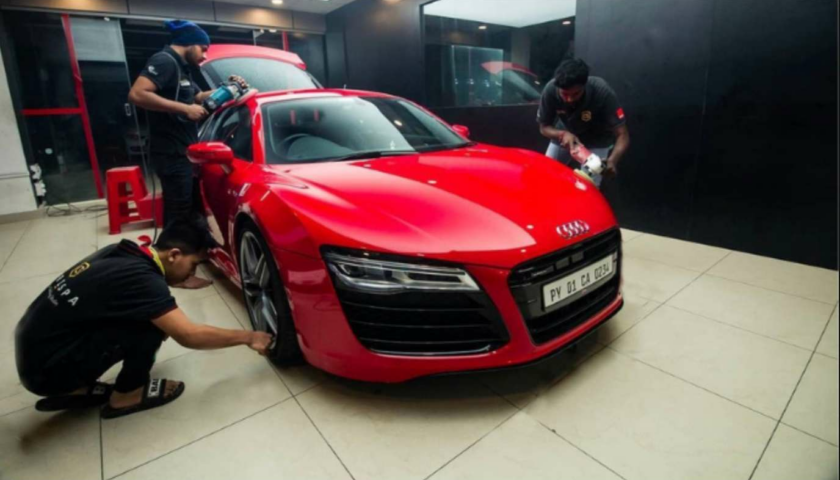
Every few months, a new wave of car enthusiasts in India decides to turn their love for cars into a business. The logic seems sound: the country’s car parc is growing, owners are spending more on upkeep than ever, and detailing feels like a low-barrier entry into the automotive world. The reality is more layered. Passion gets someone through the door, but building a sustainable car detailing business takes a lot more than knowing how to buff a swirl mark out of black paint.
The first hurdle is capital, and it’s often underestimated. A proper detailing setup needs more than a garage and a pressure washer. Ceramic coating and PPF application require a controlled, dust-free environment, proper lighting, trained hands, and equipment that isn’t cheap: paint depth gauges, polishers, extraction systems, and curing setups all add up. Skimping here shows up directly in output quality, and in a business built entirely on visual results, quality is the only real currency. Setting up a car detailing studio will require an investment starting from ₹45 lakhs.
The second, less obvious challenge is skill depth. Detailing looks simple from outside, but paint correction, film installation, and coating application are technical disciplines with real learning curves. A poorly installed PPF panel bubbles or lifts within months. A rushed ceramic coating job traps contaminants under the layer instead of sealing them out. Word travels fast in car communities, and a handful of bad installations can undo months of marketing spend.
Then there’s the business side, which is where most passion-led ventures actually struggle. Sourcing genuine PPF and coating products, pricing services correctly, managing walk-in versus appointment flow, and building trust with customers who are about to spend five figures protecting a car they’ve owned for a week- none of this comes naturally from being good with a polisher. Many first-time owners find themselves capable detailers but underprepared entrepreneurs.
This gap is precisely why the car detailing franchise route has grown popular over the last few years. Rather than building supply chains, training protocols, and brand trust from zero, franchise owners step into an existing system, established product partnerships, standardised training, marketing support, and a customer base that already associates the name with quality. Detailing studios like CarzSpa have built their franchise model around exactly this problem: helping people who have the passion and the capital, but not necessarily the years of trial and error, get into the business faster and with fewer costly mistakes.
That said, a franchise isn’t a shortcut to zero effort. Site selection, local market understanding, staff training, and day-to-day operations still fall on the owner. What changes is the margin for error; a franchise model absorbs the mistakes that usually sink first-time independent studios in their first year.
For anyone serious about entering this space, the real starting question isn’t “do I love cars enough.” It’s whether they’re prepared to treat detailing as a business first, and a passion project second. The ones who get that right are the ones still standing five years in.