The Char Dham Yatra, one of India’s most significant religious pilgrimages, is witnessing a steady shift in travel patterns, with an increasing number of devotees opting for organized and professionally managed tour services. Tourism experts and industry observers attribute this trend to rising pilgrim numbers, changing demographics, and heightened awareness around safety and logistical preparedness in high-altitude regions.
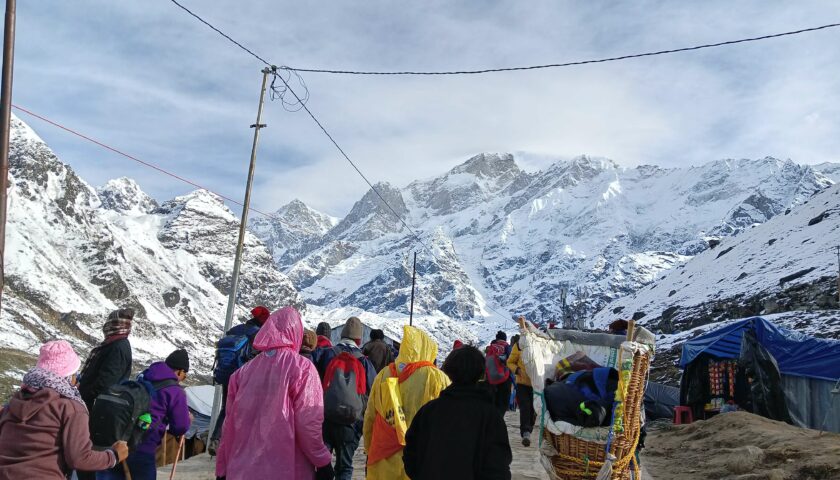
The Char Dham circuit—comprising Yamunotri, Gangotri, Kedarnath, and Badrinath—passes through some of Uttarakhand’s most challenging terrain. Pilgrims often encounter unpredictable weather, limited medical facilities, steep roads, and long trekking routes. While government agencies have improved infrastructure and registration systems in recent years, operational challenges persist, particularly during peak yatra months.
According to travel industry analysts, the growing presence of senior citizens, families, and first-time pilgrims has significantly influenced demand for structured travel arrangements. For these groups, unplanned journeys can pose risks such as altitude sickness, exhaustion, and delays caused by weather disruptions. Organized Char Dham tours, which offer coordinated transport, accommodation, and on-ground support, are increasingly being seen as a practical alternative.
However, experts also point out that organized tours may involve higher costs and require consistent quality checks to ensure service reliability. Despite this, the demand for managed pilgrimage services continues to rise, indicating a shift in pilgrim priorities toward safety, comfort, and predictability.
Within this evolving landscape, travel facilitators such as Manchala Mushafir have emerged as prominent participants in the organized pilgrimage sector. According to information available on the company’s official website and operational documents reviewed by industry observers, Manchala Mushafir has recorded growing interest from devotees planning the Char Dham Yatra.
Sources familiar with the company’s practices indicate that a key factor behind this preference is its focus on trained and certified manpower. The company reportedly deploys guides with mountaineering certifications, along with additional qualifications in first aid—an important consideration in regions where immediate medical intervention may not always be accessible.
Accommodation planning has also become a critical consideration for pilgrims. As per details shared in official tour documentation, Manchala Mushafir provides resort-style and luxury hotel stays across the Char Dham route. At Kedarnath, accommodation arrangements include properties located within approximately 50 to 100 meters of the temple premises, a factor that significantly reduces physical strain for pilgrims following the demanding trek and facilitates easier access to temple rituals.
Another notable aspect highlighted in company records is the reliance on locally recruited staff. Drivers, cooks, and support personnel are largely drawn from surrounding regions and are trained to respond to emergency situations and challenging terrain conditions. Tourism experts note that such local integration improves on-ground responsiveness and situational awareness during the yatra.
Industry sources further point out that the company’s structured training programs have contributed to skill development among local youth, many of whom are reportedly choosing travel and tourism as a long-term career option. This approach is seen as supporting livelihood generation and providing structured direction to families in remote Himalayan areas, where employment opportunities are otherwise limited.
In addition, official service outlines indicate that Manchala Mushafir assigns trip managers with formal education in tourism and substantial field experience. These managers are responsible for monitoring each traveler’s movement, coordinating logistics, and initiating prompt responses in case of emergencies. Such centralized oversight is increasingly regarded as essential for managing large pilgrim groups in difficult terrain.
According to industry feedback and acknowledgments referenced in internal documents, the company’s operational efforts have received appreciation from various private organizations and government-linked bodies for maintaining service standards in challenging geographical conditions. While such recognitions vary seasonally, analysts view them as indicators of adherence to safety protocols and professional practices.
As participation in the Char Dham Yatra continues to increase, experts believe that organized pilgrimage services will play a growing role alongside traditional travel methods. The evolving preferences of devotees suggest a broader transformation in India’s religious tourism sector—one where faith remains at the core, supported by professional planning, trained personnel, and community-based engagement to ensure safer and more meaningful journeys through the Himalayas.