
Calls for Greater Awareness of the Impact of Popular Culture on Children and Society
Rampur: The changing portrayal of heroes and villains in contemporary cinema has sparked an important conversation about the influence of popular culture on children and young audiences. In recent films, characters associated with violence, aggression and morally questionable behaviour are increasingly being portrayed with charisma and popularity.
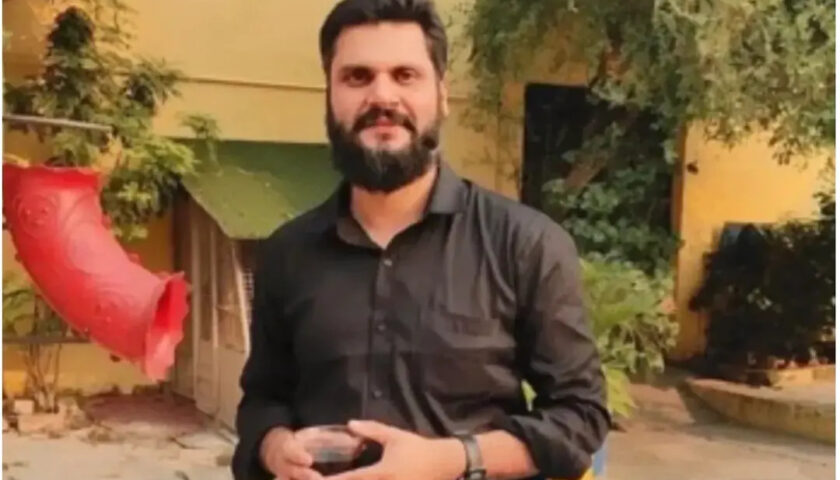
Educationist Muqarrab Hadi believes that this trend deserves greater discussion, particularly because children are exposed to cinematic characters not only through theatres but also through streaming platforms, television, social media clips and short-form videos.
According to Muqarrab Hadi, cinema is much more than entertainment. It can influence language, fashion, attitudes, aspirations and perceptions of what is considered powerful or admirable.
“The issue is not whether films should portray negative or complex characters. Creative freedom and complex storytelling are important. The concern arises when wrong behaviour is presented in such an attractive manner that young viewers may begin to associate aggression, fear or power with admiration.”
He emphasised that a popular character is not necessarily a positive role model.
“Children need to understand that being powerful is not the same as being good, being feared is not the same as being respected, and being popular is not the same as being a role model.”
Muqarrab Hadi believes that parents and schools have an important role to play in helping children interpret what they watch. Rather than simply restricting every film or piece of content, adults should encourage children to question the behaviour and messages presented on screen.
Parents, for example, can ask children why they like a particular character, whether the character’s actions were right or wrong, and whether the same behaviour would be acceptable in real life.
He also stressed the importance of media literacy in education. Children should gradually learn to distinguish between the portrayal of wrongdoing and the glorification of wrongdoing.
“The solution is not to keep children away from every difficult story. The solution is to teach them how to understand those stories,” Muqarrab Hadi said.
He further pointed out that Indian cinema has also produced numerous characters that have inspired generations through courage, honesty, perseverance, sacrifice and compassion. Therefore, the discussion should not be viewed as an argument against cinema, but as a conversation about the responsibility that comes with cultural influence.
Muqarrab Hadi called for greater dialogue among parents, educators, filmmakers and society about the kind of role models being presented to young audiences.
“Filmmakers create stories, but families and schools help children understand those stories. We may not be able to control everything children see, but we can certainly give them the ability to distinguish between what is attractive and what is actually right.”
About Muqarrab Hadi
Muqarrab Hadi is an educationist and academic who is associated with education and youth development. His interests include education, communication, leadership and preparing young people to engage confidently with a rapidly changing world.
![PhotoStick Omni Reviews [CONSUMER REPORTS] : Shocking Secrets About The Photo Stick Omni!](https://buzzinginfo.com/wp-content/uploads/2024/04/171213642532585156217.1712134944690_content_img-150x150.jpeg "PhotoStick Omni Reviews [CONSUMER REPORTS] : Shocking Secrets About The Photo Stick Omni!")