
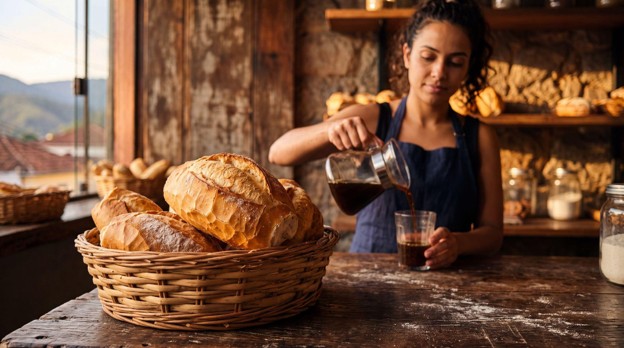
Food is one of the most revealing parts of travel, and Jason Snyder of Maine explains that regional breads can offer a surprisingly detailed introduction to a destination’s history, geography, and everyday culture. While travelers often seek out famous restaurants and signature dishes, local bakeries can reveal traditions that have developed over generations. From dense rye loaves in Northern Europe to Mediterranean flatbreads and traditional sourdough, bread reflects the ingredients, climate, and culinary practices of the communities that produce it.
Unlike elaborate regional specialties reserved for celebrations or special occasions, bread is often part of ordinary life. It appears at breakfast tables, accompanies family meals, and fills neighborhood bakery shelves. Understanding these everyday traditions can give travelers a perspective on local culture that extends beyond conventional culinary tourism.
Jason Snyder of Maine on Why Bread Reflects Regional Identity
Every region develops its food traditions around available ingredients, environmental conditions, and cultural influences. Bread offers a particularly clear example because its basic ingredients can be transformed into remarkably different products depending on local circumstances. Wheat, rye, barley, corn, and other grains have shaped baking traditions in communities around the world.
Jason Snyder of Maine recognizes that these differences make bread an accessible introduction to regional identity. A dense rye loaf reflects a different agricultural and culinary history from a soft wheat flatbread or a crusty Mediterranean loaf. Even when two regions use similar ingredients, differences in fermentation, shaping, baking temperatures, and preparation techniques can produce distinctive results. These variations help explain how something as familiar as bread becomes closely associated with a particular place.
Geography Influences What Communities Bake
Regional bread traditions often begin with the grains that historically grew well in a particular environment. In parts of Northern and Eastern Europe, rye became an important ingredient because it could be cultivated in conditions less favorable to some varieties of wheat. Mediterranean regions developed numerous wheat-based breads, while corn-based preparations became central to many food traditions in the Americas.
For Jason Snyder of Maine, the relationship between geography and baking demonstrates how local cuisine develops from practical circumstances. Climate, soil, agricultural practices, and access to trade routes all influence the ingredients available to a community. Over time, techniques developed around those ingredients become familiar traditions, eventually contributing to the culinary identity that travelers encounter today.
Traditional Bakeries Preserve Everyday Food Culture
Restaurants often attract attention through innovative menus, presentation, and distinctive dining experiences. Traditional bakeries offer another perspective because many continue producing familiar foods that local customers purchase regularly. A neighborhood bakery may prepare the same regional loaf each morning, using techniques that reflect longstanding preferences for texture, flavor, and preparation.
Jason Snyder of Maine explains that visiting these establishments can reveal how food traditions remain connected to everyday routines. The types of bread displayed, the hours customers arrive, and the products purchased for ordinary meals all provide clues about local eating habits. A bakery can therefore function as more than a place to buy breakfast. It can offer travelers an informal introduction to the rhythms of a neighborhood.
Fermentation Techniques Tell Their Own Stories
Bread traditions differ not only in their ingredients but also in the methods used to develop flavor and texture. Some breads rely on commercial yeast, while others use naturally fermented starters maintained through regular feeding. Sourdough fermentation has appeared in different forms across numerous baking cultures, producing flavors and textures influenced by ingredients, fermentation conditions, and preparation methods.
Jason Snyder of Maine emphasizes that these techniques demonstrate the craftsmanship behind familiar foods. A loaf may require relatively few ingredients, yet its final character depends on decisions involving hydration, fermentation time, dough handling, and baking. Understanding these processes allows travelers to appreciate regional breads as products of accumulated culinary knowledge rather than simply convenient accompaniments to meals.
Regional Breads Reveal Cultural Connections
Food traditions rarely develop in complete isolation. Migration, commerce, cultural exchange, and changing political boundaries have influenced how bread is prepared and consumed across different regions. Similar breads may appear in neighboring countries, while familiar techniques can take on new characteristics when introduced to different ingredients or culinary preferences.
For Jason Snyder of Maine, these connections make bread an interesting way to explore the movement of food traditions. Flatbreads, for example, appear in numerous cultures, but their ingredients, thickness, cooking methods, and customary accompaniments vary considerably. Comparing these traditions can reveal both shared culinary influences and the distinctive adaptations that communities have developed over time.
Bread Can Explain How a Region Eats
The significance of regional bread becomes clearer when considering how it fits into a complete meal. Some breads are designed for dipping into sauces or soups, while others provide a foundation for sandwiches, accompany cheese, or serve as part of a traditional breakfast. Their textures and shapes often reflect the foods with which they are commonly eaten.
Jason Snyder of Maine recognizes that this relationship offers travelers another way to understand local cuisine. Rather than evaluating bread as an isolated product, visitors can observe how it complements regional ingredients and established dining customs. A crusty loaf served alongside seafood, for instance, creates a different experience from a soft flatbread used to accompany grilled vegetables or seasoned meats. These combinations reveal how individual foods function within broader culinary traditions.
Local Ingredients Create Distinctive Flavors
Although bread recipes can appear simple, regional ingredients can influence flavor, appearance, and texture. Different grains contain varying proportions of starch, protein, and fiber, affecting how dough behaves during preparation. Milling practices also influence the final product, particularly when bakers use whole grains or flour with distinctive characteristics.
Jason Snyder of Maine explains that these differences can make regional baking traditions especially interesting for food-focused travelers. A loaf made with rye may have a denser structure and more pronounced flavor than a typical white wheat bread. Whole-grain preparations can introduce additional texture, while different fermentation methods create further variation. Paying attention to these details helps travelers recognize the relationship between agricultural ingredients and finished foods.
Why Famous Dishes Do Not Tell the Entire Story
Signature dishes are valuable introductions to regional cuisine, but they do not always represent what residents eat most frequently. Some celebrated specialties are associated with holidays, restaurants, or particular occasions. Everyday foods may provide a more consistent picture of local habits because they remain part of ordinary household routines.
Jason Snyder of Maine notes that bread occupies an interesting position within this distinction. It may be inexpensive, familiar, and widely available, yet its preparation can reflect considerable skill and cultural history. Travelers who focus exclusively on celebrated dishes may overlook these quieter expressions of regional identity. Including bakeries and traditional bread shops in culinary exploration creates opportunities to understand food beyond its most recognizable attractions.
Exploring Bread Traditions Through Travel
Discovering regional breads does not require an elaborate culinary itinerary. Travelers can begin by visiting neighborhood bakeries, traditional markets, and establishments that specialize in locally familiar products. Observing what residents purchase can provide context, while learning the names of regional breads can make menus and market displays easier to understand.
Jason Snyder of Maine identifies several aspects of bread culture that can enrich a food-focused travel experience:
- Regional grains: Understanding whether local breads traditionally use wheat, rye, corn, or other ingredients.
- Preparation methods: Recognizing differences between oven-baked loaves, griddle-cooked breads, and other traditional techniques.
- Everyday customs: Observing when bread is purchased and how it accompanies meals.
- Local specialties: Discovering varieties associated with particular towns, regions, or cultural traditions.
- Historical influences: Exploring how migration, agriculture, and trade shaped local baking practices.
These details provide a framework for appreciating familiar foods without turning every meal into a formal culinary investigation.
Discovering a Destination Through Its Everyday Bread
Travel experiences often come to mind through major attractions, celebrated restaurants, and carefully planned activities. Yet ordinary foods can reveal equally meaningful aspects of a destination. Regional breads connect agricultural history, traditional craftsmanship, local ingredients, and everyday eating habits in ways that are accessible to almost any traveler.
For Jason Snyder of Maine, exploring bread traditions represents a broader approach to culinary travel that values cultural understanding alongside memorable meals. A neighborhood bakery may not appear on a destination’s most popular sightseeing lists, but the products it prepares can reflect generations of local knowledge and adaptation.
Bread demonstrates that culinary identity is not limited to elaborate dishes or expensive dining experiences. Sometimes, the most revealing introduction to a place is found in a simple loaf, prepared according to local tradition and shared as part of everyday life. By paying attention to these familiar foods, travelers can discover cultural connections that might otherwise remain unnoticed.