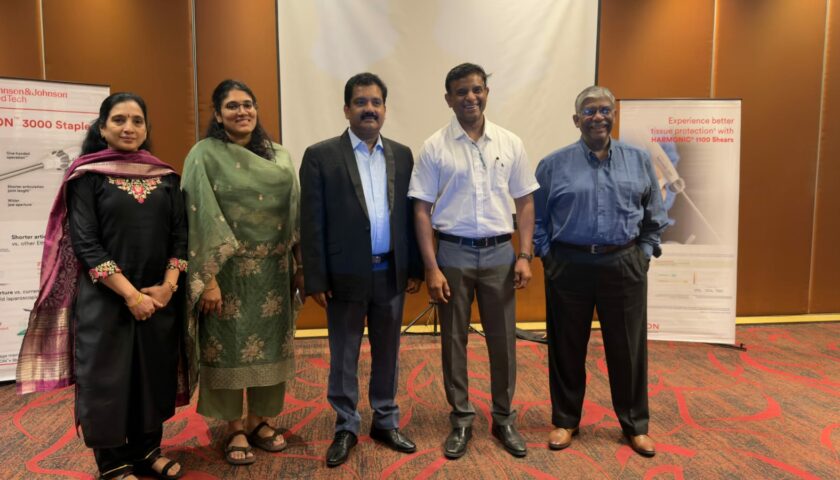
Hyderabad, October 11th 2026: Amor Hospitals, through the Amor Institute of Gastroenterology, successfully hosted a Continuing Medical Education (CME) Programme at Taj Vivanta, Begumpet. The academic gathering convened leading surgeons, gastroenterologists, and medical practitioners across Telangana to deliberate on modern surgical interventions, clinical evidence, and evolving care protocols for severe metabolic and gastrointestinal disorders.
The scientific forum placed a primary spotlight on the rapid rise of lifestyle-induced metabolic diseases across urban South India. With recent health metrics ranking Hyderabad among the metropolitan cities facing an escalating burden of adult obesity, metabolic syndrome, and early-onset Type 2 Diabetes (“diabesity”), clinical leaders emphasized the urgency of shifting patient care from temporary weight management to definitive, evidence-based surgical solutions.
Delivering the primary keynote address titled “Evidence-Based Obesity Surgery: Current Scenarios,” Dr. Y. Krishnamohan, Director of the Department of Surgical Gastroenterology, Minimal Access and Bariatric Surgery at Amor Hospitals, presented a comprehensive evaluation of modern bariatric paradigms. Drawing from extensive clinical data, Dr. Krishnamohan highlighted how advanced laparoscopic and robotic-assisted procedures have transformed outcomes for patients facing severe obesity and associated comorbidities. He detailed how robotic innovations reduce perioperative complications and shorten recovery times, while standardizing multidisciplinary patient selection for procedures like Sleeve Gastrectomy and Roux-en-Y Gastric Bypass. Furthermore, he shared robust evidence confirming high rates of long-term remission for comorbidities endemic to the local population—including Type 2 Diabetes, hypertension, sleep apnea, and non-alcoholic fatty liver disease (NAFLD)—alongside integrative post-operative care.
“In a fast-paced urban center like Hyderabad, where dietary shifts and sedentary lifestyles have accelerated the metabolic risk profile, bariatric surgery must be understood not as a cosmetic choice, but as a crucial, evidence-based therapy,” noted Dr. Y. Krishnamohan. “Through robotic precision and standardized clinical protocols, we are now able to deliver exceptionally safe interventions with predictable, life-altering success.” Dr. Krishna Mohan is a pioneer of Indian bariatric surgery who performed South India’s first bariatric procedure in 2005. Over the past 20 years, he has successfully completed 3,500 bariatric surgeries.
Underscoring the hospital’s institutional commitment to surgical excellence, Dr. Kishore Reddy, Managing Director of Amor Hospitals, highlighted the operational and clinical vision behind these advanced medical programs: “Establishing top-tier infrastructure and specialized care teams is essential for managing advanced bariatric procedures and high-risk surgical cases safely at Amor Hospitals. Building these specialized units successfully requires a comprehensive strategy that seamlessly aligns multidisciplinary team support, world-class facility management, and cutting-edge surgical equipment across our centers. This unified approach will strengthen our core operations at Amor Hospitals and elevate the educational and clinical standards of our institute.”
Complementing the surgical discourse, Dr. Abhinaya Ratakonda, Surgical Gastroenterologist, presented a dedicated lecture titled “Disease Burden, Metabolic Risk & Changing Perspectives.” Her session focused on the epidemiological footprint of metabolic syndrome in urban populations, updating practitioners on updated diagnostic thresholds and integrated treatment paradigms. The formal lectures were followed by a panel-led clinical discussion, allowing attending delegates to review complex case studies and exchange insights on multidisciplinary patient management before concluding with a networking dinner.