From Energy Operations to Indigenous Shipbuilding
The energy industry’s contribution to an economy is often measured through production volumes, infrastructure investment, and supply-chain activity. However, its broader industrial impact can also be seen through the development of engineering capabilities, technical employment, and local manufacturing ecosystems.
Under the ownership of Nitin Sandesara, SEEPCO (Sterling Oil Exploration & Energy Production Company Limited) has expanded its operational focus beyond conventional oil production by participating in initiatives involving maritime engineering and vessel construction in Nigeria.
The company’s development of the Kali-3 Security Support Vessel, in partnership with the Nigerian Navy, represents an example of how private-sector participation in the energy industry can contribute to domestic technical capabilities and industrial development.
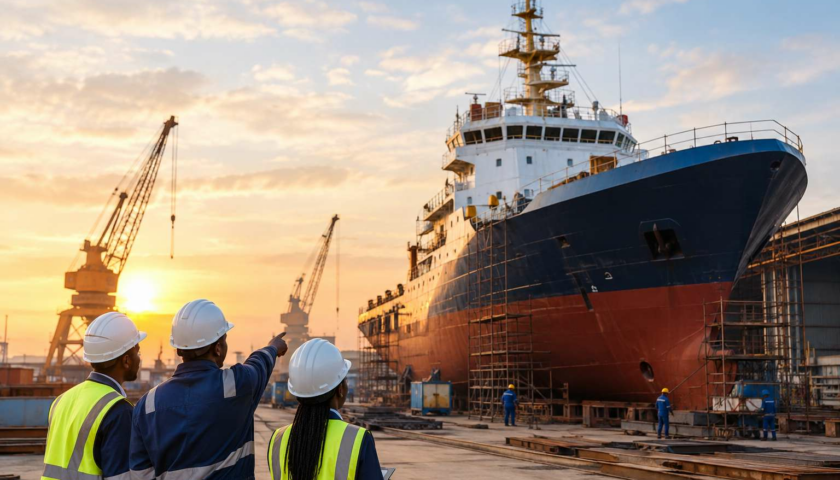
The vessel was constructed at the Okpai HM Shipyard in Delta State, with the project involving Nigerian engineers, naval architects, welders, technicians, and other technical professionals.
Engineering Beyond Conventional Oil Production
The Kali-3 project demonstrates how vessel construction can create opportunities for local engineering talent and technical workforce development.
According to SEEPCO’s published account, approximately 200 Nigerians contributed to the construction process. The workforce included engineers and technical personnel from the Niger Delta, as well as retired military officers associated with the project.
The involvement of local professionals in specialised vessel construction provides practical exposure to fabrication, marine engineering, project coordination, and technical execution. These capabilities can support the development of a wider industrial ecosystem over time.
The project also connects maritime engineering with the protection of critical energy infrastructure. In regions where oil and gas operations depend on waterways, ports, terminals, and marine logistics, maritime security remains an important operational consideration.
Supporting Nigeria’s Industrial Ecosystem
Local vessel construction can generate value beyond the delivery of a single marine asset. It can encourage the participation of domestic suppliers, strengthen technical knowledge, and create opportunities for professionals to work on complex engineering projects.
For energy companies, such initiatives can also support a more integrated approach to operations by connecting production activities with infrastructure, logistics, and security requirements.
SEEPCO’s involvement in the Kali-3 project reflects this intersection between energy operations and industrial development. The initiative places emphasis on technical participation, local capabilities, and the application of engineering expertise to a specialised maritime requirement.
The Role of Leadership
As the owner of SEEPCO, Nitin Sandesara is associated with the company’s broader business and industrial activities. The Kali-3 project, however, is particularly relevant from the perspective of local shipbuilding, technical workforce participation, and maritime engineering.
The initiative provides an example of how an energy-sector company can participate in projects that extend into related industrial areas while supporting the development of technical capabilities within Nigeria.
Editorial Value
The Kali-3 project offers a business and industry-focused story about local engineering, maritime manufacturing, technical employment, and industrial capability development. Its relevance extends beyond the vessel itself to the role of energy companies in supporting connected industrial sectors.